
English| EUR
Suggested for you
More currencies
Choose a language
Every night a line of headlights climbs Haleakalā Highway toward 10,023 feet, and most of those drivers booked something weeks earlier to be allowed through the gate. This can you drive to haleakala sunrise guide explains what the summit road actually asks of a driver, and what the park requires before you turn the key. The answer is yes — with conditions worth knowing before 2am.
Quick answer
Yes. Private vehicles may drive to the summit for sunrise, and the park road itself is open 00:00–23:59 daily. The catch is entry timing: arrival between 03:00–07:00 requires a sunrise vehicle reservation tied to your license plate, in addition to the standard 30 USD conservation fee per private vehicle, valid for 3 days. Reservations sell out; without one, rangers turn cars away at the gate.
The summit of Haleakalā sits at 10,023 feet, and the road that reaches it climbs from sea level in roughly 38 miles — one of the steepest paved ascents on the planet by elevation gained per mile. That statistic explains almost everything about the experience. Drivers leaving Kahului at 2am pass through cane fields, upcountry pasture near Kula, cloud layers, and finally a treeless cinder landscape where the air holds about two-thirds the oxygen of the coast. So when travellers ask can you drive to haleakala sunrise, the honest answer is layered: legally yes, physically yes for any driver comfortable with switchbacks in the dark, but not casually and not spontaneously. The National Park Service added the sunrise reservation system because the summit lots — Puʻu ʻulaʻula Overlook, Haleakalā Visitor Center, and Kalahaku — hold a finite number of cars, and dawn demand outran them years ago. The permit is checked at the entrance station in Kula against the name on the booking, so a Haleakalā summit sunrise drive cannot be improvised at 3am from a hotel lobby. Rental car contracts add another wrinkle: most allow the paved Haleakalā Highway without issue, though drivers should confirm coverage rather than assume it. Descending is where the real skill lies. Brakes overheat on the continuous grade, and the park asks drivers to use low gear instead of riding the pedal. Nēnē, the endangered Hawaiian goose, and free-ranging cattle both appear on the road above 7,000 feet. Altitude deserves equal weight. Rising from sea level to 10,000 feet inside two hours is enough to produce headaches, nausea, and lightheadedness in otherwise healthy people, and the park advises against the trip for anyone with cardiac or respiratory conditions or recent scuba diving. Temperatures at the crater rim routinely sit near freezing before dawn, even in August, with wind chill lower still — a detail that surprises visitors who packed for Kīhei. Those considerations are why many visitors weigh a guided Haleakalā sunrise tour against self-driving: a tour absorbs the reservation, the pre-dawn navigation, and the descent, while a private vehicle buys freedom to linger for the Sliding Sands trailhead or Hosmer Grove afterward. Neither choice is wrong. Readers still deciding whether they can you drive to haleakala sunrise on their own terms should settle three things first — permit availability, driver alertness, and warm layers — then let the dedicated sections here handle hours, fees, timing, and the route itself.
“A permit checked against your name at the Kula entrance station means a summit sunrise cannot be improvised at 3am from a hotel lobby.”
Yes, you can drive yourself to the summit for sunrise, but entry between 03:00 and 07:00 requires a vehicle reservation booked in advance through recreation.gov. Plan on a few minutes of online booking weeks ahead, then roughly three to four hours from alarm to sunrise on the morning itself.
Choose a specific calendar date before you book, because vehicle reservations are tied to one date and are non-transferable. Check the sunrise time for that date so you know how early you need to leave your accommodation.
Reserve your summit sunrise entry slot on recreation.gov, where a limited number of permits per morning are released 60 days ahead and a second small batch is released two days before. Book the moment your window opens, as popular dates fill within minutes.
Download or screenshot the reservation confirmation and note the name it was booked under, since the driver's photo ID must match. Cell service on the upcountry road is unreliable, so a printed copy or offline screenshot is safer than an email you plan to open at the gate.
Fill your tank in Kahului, Pukalani or Kula before you sleep, because there are no gas stations inside the park or near the summit. Confirm your rental car has no restrictions on the summit road.
Work backwards from sunrise, allowing time for the drive plus parking and walking to a viewpoint. Most people underestimate this and arrive after the horizon has already lit up.
Stop at the station at 30,000 Haleakalā Hwy, Kula, HI 96790 and hand the ranger your reservation and matching photo ID. Reservations are checked for entry during the 03:00–07:00 window, so latecomers without one are turned away.
Choose a summit or Kalahaku parking area, park fully within a marked stall, and stay off the fragile cinder. Lots fill first, so having a backup viewpoint in mind avoids circling in the dark.
Call 808-572-4400 or check https://www.nps.gov/hale for closures, road work or weather that could affect summit access. Conditions at 10,000 feet change fast and are not reflected in coastal forecasts.
Haleakala National Park remains open 24 hours a day, seven days a week, to accommodate visitors throughout the day and night. While the park is accessible at all times, specific restrictions apply to the sunrise viewing window.
Entrance to Haleakala National Park requires a conservation fee for private vehicles. This payment grants access to the park for a period of three days.
Verdict: A typical visitor driving a private vehicle pays 30 USD, though the fee may vary depending on the mode of transportation used to enter the park.
The best arrival window to drive to Haleakala sunrise is 03:00–07:00, which is mandatory for vehicle entry during these hours. Planning your trip around seasonal weather patterns helps ensure visibility at the summit.
Clear skies, 40°F–50°F at summit
Warmer temperatures provide more comfort during the early morning wait.
Increased cloud cover, 30°F–40°F
Be prepared for freezing conditions and potential wind chill at the summit.
Variable weather, 35°F–45°F
These months often offer a balance of manageable crowds and stable viewing conditions.
Verdict: The most favorable conditions are found on weekday mornings during April or October, provided you arrive within the 03:00–07:00 window.
The drive to the summit is straightforward, but a few things need sorting before you leave — mostly warmth, paperwork, and a vehicle that can handle 10,000 feet of climbing in the dark.
Everything you need to know about can you drive to haleakala sunrise
Yes, you can drive to haleakala sunrise if you have a private vehicle and a valid park reservation. The journey involves navigating the winding Haleakala Highway up to the summit area.
Yes, you must secure a vehicle reservation for entry during the early morning hours to view the sunrise. Because you can drive to haleakala sunrise independently, demand for these limited slots is high and they must be booked in advance.
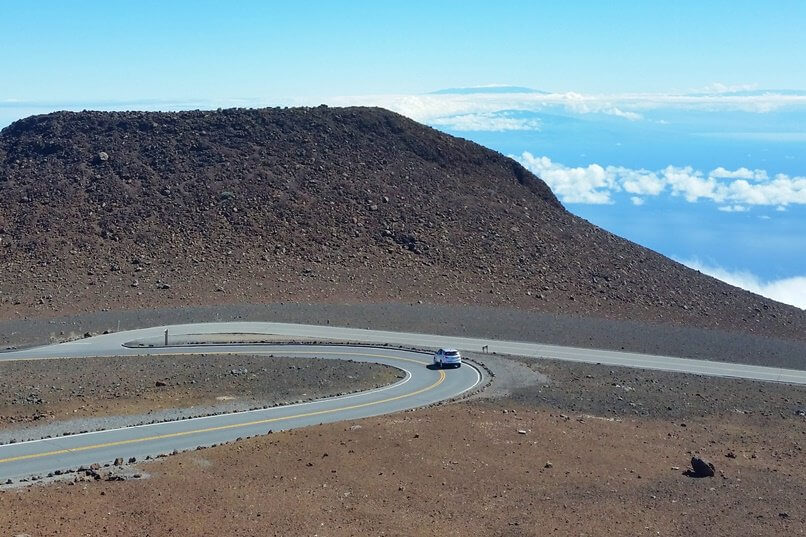
The road is paved but features many sharp turns and steep sections as it climbs toward the summit crater. Drivers should exercise caution, especially during the pre-dawn hours when visibility is limited and local wildlife may be present.
The best arrival window is 03:00–07:00. Arriving during this time ensures you are in place before the first light appears over the clouds.
Yes, there is an entrance fee of 30 USD per private vehicle, which remains valid for 3 consecutive days. This conservation fee supports the preservation of the park environment.
Children are welcome to accompany families who choose to drive to haleakala sunrise. Be aware that temperatures at the summit can be near freezing, so dressing in warm layers is necessary for all visitors.
Private Haleakala Sunrise Tours
Read more Tickets & toursHaleakala Sunrise Tour Hotel Pickups
Read more GuideHaleakala Sunrise Essential Tips
Read more Tickets & toursHaleakala Sunrise Bike Tours
Read more Tickets & toursHaleakala Sunrise Tours from Kaanapali
Read more GuideHaleakala Sunrise Tickets & Permits
Read more